
Wood Waste Grinding

What Is Wood Grinding and Why It’s an Essential Land Management Solution
Wood grinding is a critical service used in land clearing, forestry, construction, and landscaping to process large volumes of wood waste into reusable material. Often referred to as mobile wood grinding, brush grinding, or wood waste grinding, the process involves using industrial grinders to reduce trees, brush, stumps, pallets, and other organic debris into manageable wood fiber.
Instead of hauling bulky debris to landfills, wood grinding allows property owners, contractors, municipalities, and developers to recycle wood material on-site or nearby. The result is a more efficient, environmentally responsible, and cost-effective way to manage wood waste while creating valuable byproducts such as mulch, wood chips, and biomass material.
How the Wood Grinding Process Works
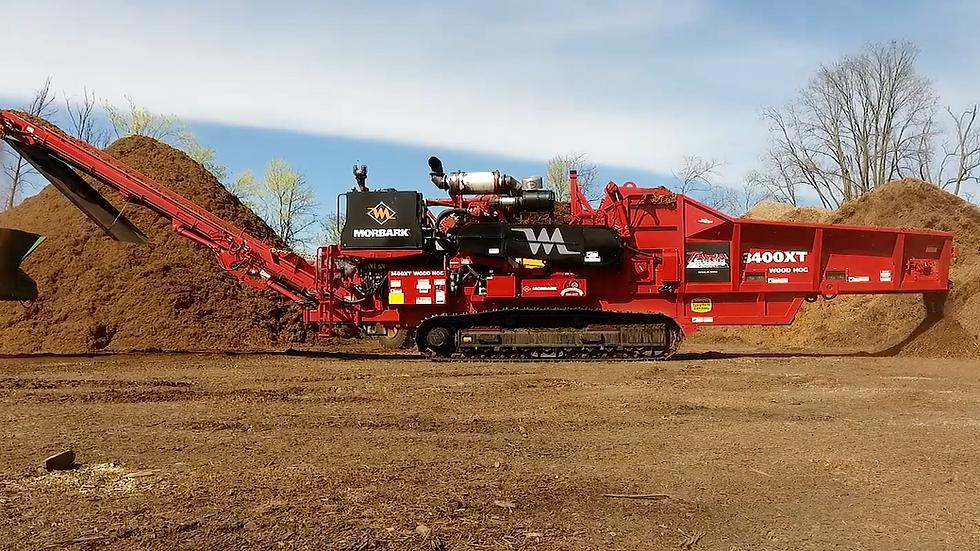
Wood grinding is typically performed using large-scale equipment such as horizontal grinders, tub grinders, or slow-speed shredders. These machines are capable of processing logs, brush piles, land-clearing debris, storm debris, and construction wood waste.
In many cases, contractors offer on-site mobile grinding services, meaning the grinding equipment is transported directly to the project location. This eliminates the need to haul raw material long distances and significantly reduces disposal and transportation costs. The processed wood can then be reused on-site or removed as a finished product.
Environmental Benefits of Wood Grinding
One of the most significant advantages of wood grinding is its environmental impact. Wood waste grinding reduces the amount of organic material sent to landfills and supports sustainable recycling practices. By converting wood debris into mulch or biomass, wood grinding helps reduce greenhouse gas emissions associated with waste transportation and decomposition.
Recycled wood material can be reused for erosion control, landscaping mulch, soil conditioning, or renewable energy production. For municipalities and landowners focused on sustainability, wood grinding is a proven solution for responsible waste management.
Cost Efficiency and Project Savings
Wood grinding services offer substantial cost savings compared to traditional disposal methods. Transporting logs, brush, and debris to landfills or transfer stations can quickly become expensive due to fuel, labor, and tipping fees. Mobile wood grinding reduces or eliminates these expenses by processing material directly at the source.
For large land clearing projects, forestry operations, and commercial developments, grinding wood waste on-site streamlines cleanup and accelerates project timelines. Contractors benefit from fewer truckloads, reduced handling, and faster site turnover.
High-Value Reuse of Wood Material
Wood grinding transforms what was once considered waste into usable products. The finished grind material can be used as landscape mulch, trail cover, livestock bedding, compost feedstock, or biomass fuel. This versatility makes wood grinding an attractive option for agricultural operations, developers, and property managers.
Some grinding operations also offer primary and secondary grinding, allowing material size to be customized for specific end uses. This flexibility increases the overall value of recycled wood material.
Improved Site Management and Land Preparation
Beyond waste reduction, wood grinding plays a major role in land management and site preparation. Grinding down brush piles and tree debris clears usable space and improves site safety. The removal of unmanaged wood debris reduces fire risk, improves access, and prepares land for construction, planting, or future development.
For storm cleanup, right-of-way maintenance, and forestry projects, wood grinding allows sites to be restored quickly and efficiently without the long-term environmental impact of burning or dumping debris.


Comments